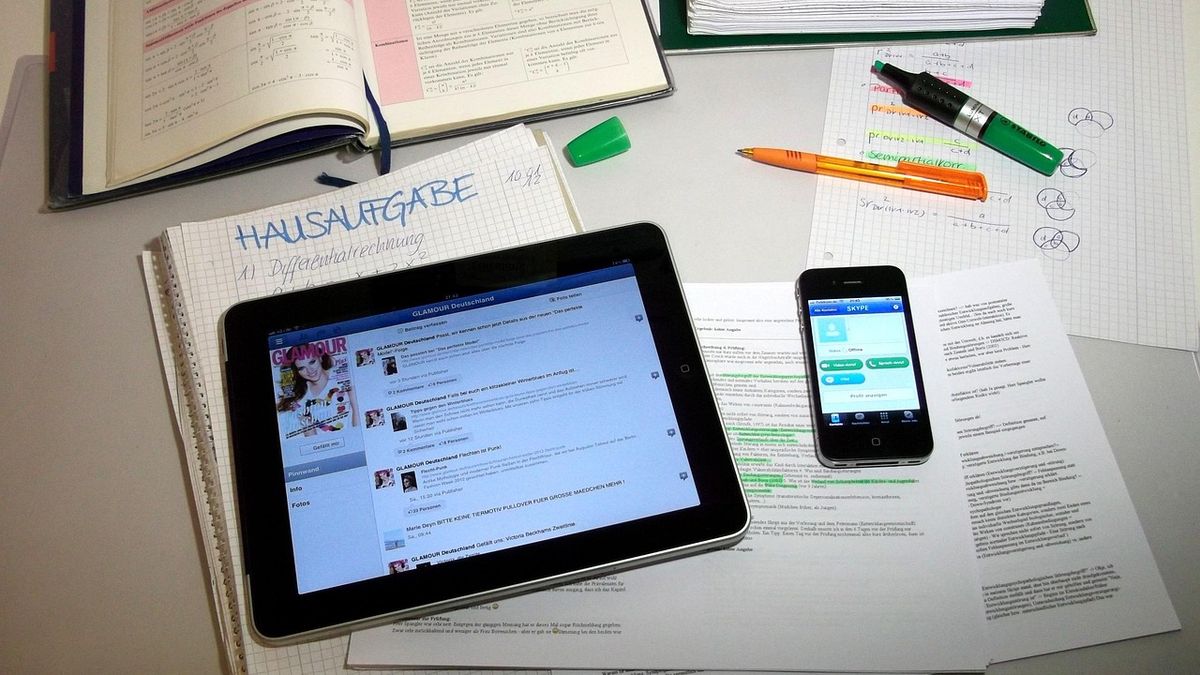
The paper school diary has survived for decades because it does something useful: it's a shared notebook between teacher and parent, with a signature to prove both sides saw it. But anyone who has relied on one knows the problems. Pages get torn out. Homework is copied down wrong from the board. Notices never make it home. And the "parent signature" is sometimes written by the student.
The three jobs the diary does
- Homework: what's due, by when.
- Communication: notes and notices between teacher and parent.
- Acknowledgement: proof that the parent has seen it.
A digital diary should do all three better — not just move the text onto a screen.
Homework, done properly
Teachers post homework once, for the whole class, with a due date and any attachments — a worksheet, a photo of the board, a reference link. Parents and students see it in the app the same day. Nobody copies it down wrong, and absent students don't miss it.
With digital submission, students can upload completed work and teachers can track who has submitted. Over a term, that submission record tells you a lot about which students are slipping.
Daily class diary entries
A short daily entry — what was covered today, what's coming up, reminders about tomorrow — keeps parents in the loop without anyone sending individual messages. It's especially helpful for younger classes, where parents want to know what their child did in school but children rarely explain.
Acknowledgements that mean something
The parent signature becomes a tap: "Seen". Teachers can see exactly which parents have read a diary entry or notice, and follow up only with those who haven't. It's more reliable than a signature and much faster to check.
Won't it overwhelm parents?
It can, if every teacher posts five messages a day. A few simple rules help:
- One diary entry per class per day, not per subject.
- Homework posted by a fixed time, so parents know when to check.
- Important notices separated from routine updates.
Our piece on why parents actually open the app explains how less noise leads to more attention.
What about students without phones?
The diary lives on the parent's phone, which most families have. For families with limited access, the school can still print the week's homework — but the default becomes digital.
The time it saves teachers
Teachers stop writing the same homework in 40 diaries, stop checking signatures one by one, and stop answering "what was the homework?" messages. It's one of the easiest wins described in where teachers' time really goes.
In Schoolo
Schoolo includes homework with digital submissions and a class diary with parent acknowledgements, all inside the parent app. Combined with digital report cards and a shared timetable, the paper diary becomes optional.